The Intriguing Link Between Your Gut and Your Mood
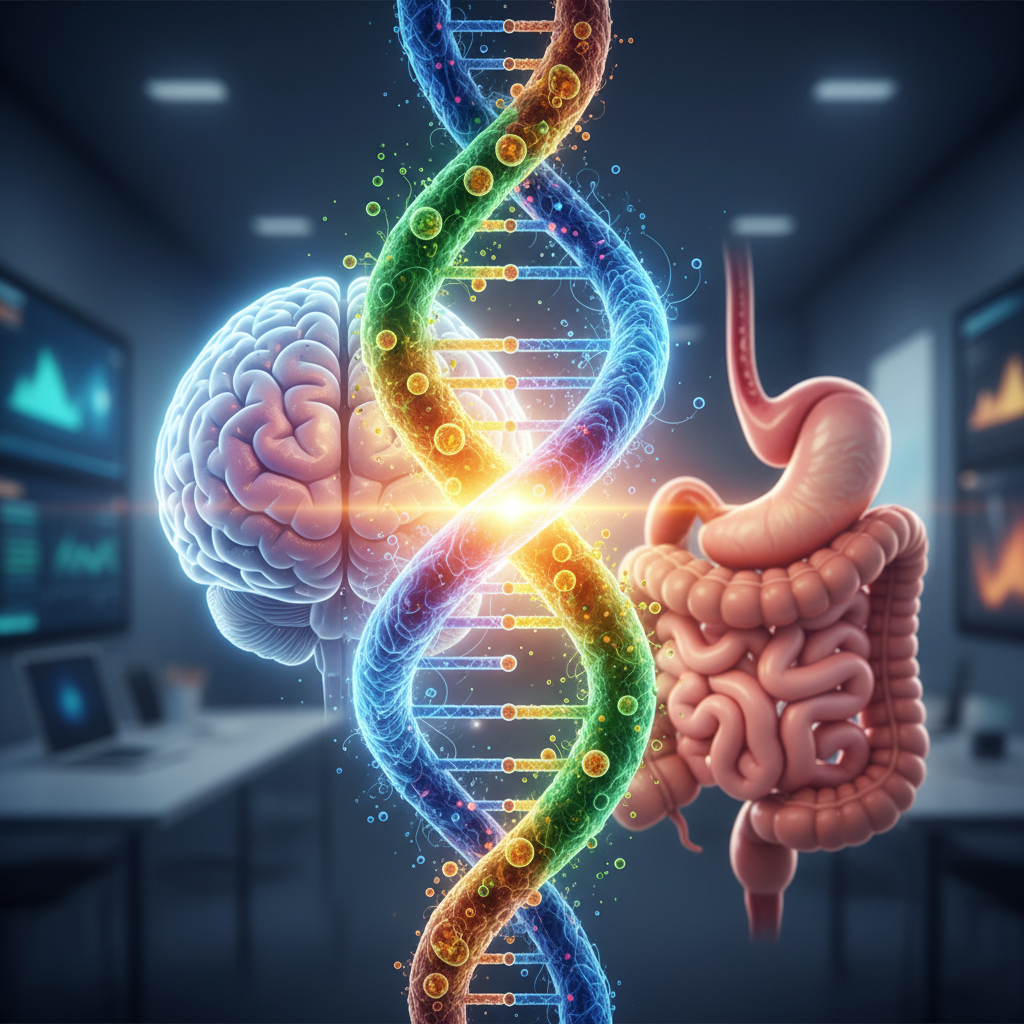
Have you ever noticed how a meal can brighten your day or a pesky stomach ache can set your mood spiraling? As research digs deeper, it reveals more about the gut-brain connection and its significant impact on mental health. Recent studies show that our digestive system is not just about breaking down food – it actively communicates with our brain, influencing our emotions and mental clarity. This communication happens through a variety of methods, including hormonal signaling and the nervous system, creating a feedback loop that impacts how we feel physically and emotionally.
How Your Gut Microbiome Influences Your Brain
At the heart of this connection is the gut microbiome, a complex ecosystem of trillions of microorganisms residing in your gut. These friendly bugs do more than aid digestion. They produce short-chain fatty acids, which offer energy to gut cells and can even travel to the brain, influencing functions like mood regulation and cognition. Moreover, emerging research suggests that these microorganisms engage in a form of “cross-talk” with the central nervous system via various pathways, including the vagus nerve, further underlining the significance of gut health.
Importantly, we’re not medical professionals, so the suggestions provided here are of a general nature only, and may not take your individual circumstances or dietary needs. For more tailored information, check out recent studies on gut health and consult with a dietician or other medical professional.
Having said that, there are recent studies that have shown individuals with depression often have lower levels of beneficial bacteria like Lactobacillus and Bifidobacterium in their microbiome. This insight opens up avenues for dietary changes that could positively impact mental health. A study published in the journal Nature found that a diverse microbiome is correlated with better mood and lower anxiety levels, indicating that maintaining microbial diversity is key in supporting mental wellness.
The Role of Neurotransmitters
Your gut doesn’t just send signals; it produces neurotransmitters too! Roughly 90% of serotonin, often dubbed the ‘feel-good hormone,’ is made in the gut. This intriguing statistic emphasizes how gut health is intricately linked with emotional health. If the microbiome is imbalanced, the production of serotonin can be adversely affected, which may contribute to mood disorders like anxiety and depression. Furthermore, gut bacteria are also involved in the synthesis of other key neurotransmitters, including dopamine and GABA, both critical for mood regulation. This makes it crucial to foster a healthy gut environment through proper nutrition.
Dietary Choices for a Healthy Gut-Brain Connection
To nurture your gut and its positive influence on mental health, consider these dietary strategies:
- Incorporate probiotics: Foods rich in probiotics, such as yogurt, kimchi, and miso, encourage the growth of good bacteria in your gut. Additionally, fermented foods are not only beneficial in boosting gut health; they can also enhance nutrient absorption, especially of B vitamins that are vital for brain function.
- Eat prebiotic foods: Foods like garlic, onions, and bananas feed those friendly gut bugs, helping them thrive. Prebiotics provide the necessary fuel for probiotics, creating a nurturing environment for beneficial bacteria to flourish.
- Stay hydrated: Water aids in digestion and nutrient absorption, essential for overall health. Proper hydration supports the mucosal lining of the intestine, further bolstering gut health and indirectly influencing your mood.
- Limit processed foods: These often contain additives that can disrupt gut health and, by extension, your mental well-being. High sugar and high-fat processed foods may lead to increased gut inflammation, which has been associated with mood disorders.
If you’re looking for specific recipes, check out Delicious Gut-Friendly Recipes for a Balanced Microbiome for ideas on how to incorporate these ingredients into your daily life.
For further reading, visit impact of diet on gut health.
Easy Recipes to Try
Here are a couple of easy recipes to get you started:
Probiotic Smoothie
This smoothie is packed with fruits and yogurt, perfect for breakfast or a refreshing snack:
- 1 cup of plain yogurt
- 1 banana
- 1/2 cup of spinach
- 1/2 cup of frozen mixed berries
- 1 tablespoon of honey (optional)
- Blend until smooth and enjoy!
Fermented Veggie Salad
A crunchy salad loaded with probiotics:
- 2 cups of fermented veggies (like sauerkraut or kimchi)
- 1 cup of chopped mixed greens
- 1/2 bell pepper, chopped
- 1 tablespoon of olive oil
- Mix everything together and serve!
For more ideas, consider exploring How to Incorporate Probiotics and Prebiotics into Your Diet.
For further reading, visit how gut influences mood.
The Impact of Stress on Gut Health
Let’s not forget the role that stress plays in gut health. High-stress levels can lead to an imbalance in gut bacteria, resulting in digestive issues like bloating and discomfort, which in turn can affect your mood. Chronic stress has been shown to alter the composition of gut microbiota, leading to a decrease in diversity and an increase in harmful bacteria. Mindfulness practices such as yoga, meditation, and sufficient sleep can help mitigate stress, keeping both your mind and gut in harmony. Remember, each time you manage stress effectively, you’re also benefiting your gut health!
Common Misconceptions About Gut Health
There are several misconceptions about gut health that can hinder progress. For instance, some people believe that simply taking a probiotic supplement is enough to restore gut balance; however, it’s essential to combine supplements with a varied diet rich in fiber and whole foods. Another myth is that gut health is a one-time fix – it requires ongoing attention, just like any aspect of health. The gut microbiome is dynamic, influenced by factors such as diet, lifestyle, and environmental toxins, which means that consistent effort is needed to maintain a balanced microbiome.
Attention to Diet = Healthier Gut
Maintaining a healthy gut is not merely about what you eat. It’s also about how you eat. Mindful eating practices can enhance your digestive health. Take time to chew your food properly, avoid distractions while eating, and listen to your body’s hunger cues. The less rushed you are, the better your gut can function. Studies suggest that individuals who practice mindful eating tend to have better digestive health and, subsequently, improved emotional stability.
The Challenge of Dietary Changes
Changing your diet can be challenging. It’s important to focus on gradual adjustments rather than drastic changes. Start by adding one gut-friendly food into your meals each week. This step-by-step approach is easier to manage and more sustainable in the long run. Consider keeping a food diary to track what you eat and how it affects your mood and digestive health; this can provide insights that guide your dietary choices.
For further reading, visit foods that affect mood.
Looking Forward: Future Research
The gut-brain connection is a burgeoning field of research, and more studies are underway to understand the various ways this two-way communication impacts our mental health. As new discoveries emerge, we might uncover even more ways to enhance our diets for better mental clarity and emotional stability. Emerging research is investigating how specific strains of probiotics may target mood and anxiety disorders, providing more tailored approaches to mental health treatment.
For instance, a growing body of research emphasizes the importance of the gut-brain axis, a complex network of signaling pathways connecting the gut and the brain. These findings will likely lead to more personalized dietary recommendations in the near future, enhancing the potential of food as a tool for emotional regulation and mental health improvement.
Embrace Your Journey Towards Better Health
Incorporating gut health into your mental wellness journey is not a one-size-fits-all solution. It’s about finding what works for you, nurturing a healthy microbiome through awareness and diet. Start with small changes, keep an open mind, and remember to listen to both your gut and your feelings. Being attentive to how specific foods affect your emotions can lead to more informed choices that positively impact your lifestyle and mental well-being.
If you’re eager to dive deeper into gut health, check out Top 5 Fermented Foods to Boost Your Gut Health and learn how these foods can play a crucial role in your overall wellness. The journey towards optimal gut health is ongoing, and it’s never too late to start prioritizing your gut, which ultimately supports your mind and body – creating a holistic approach to health.