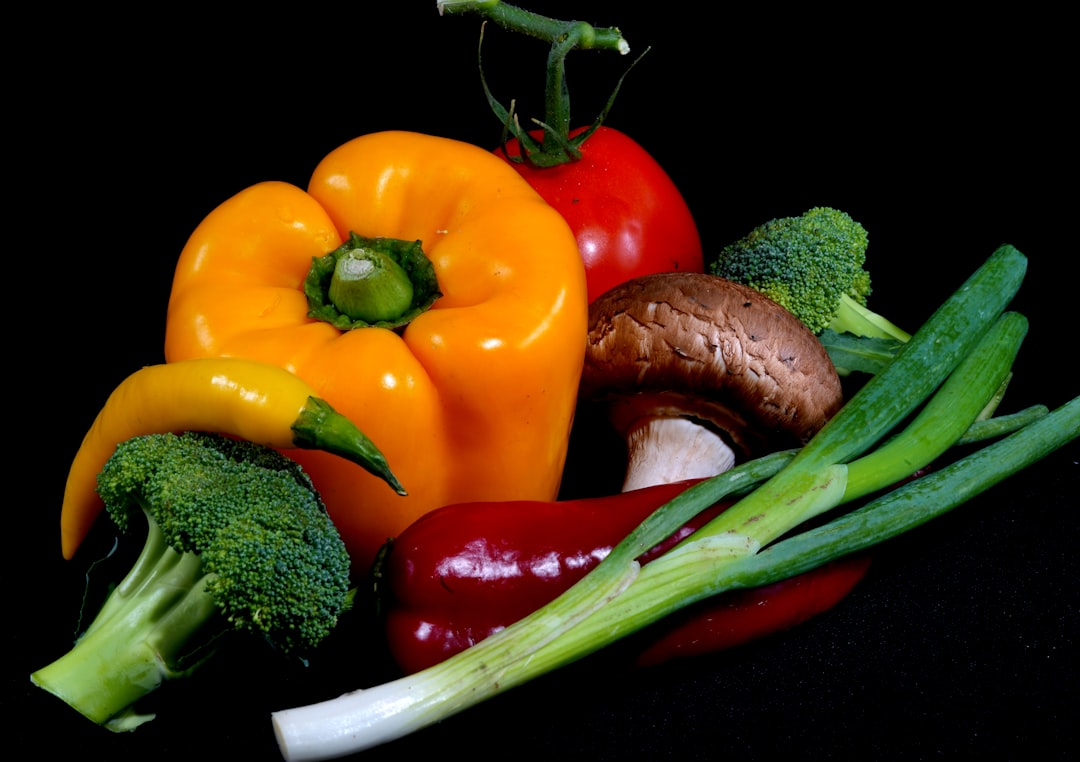
Photo by virgil maierean on Unsplash
Transform Your Gut Health with Delicious Recipes
Gut health is a hot topic these days – and for a good reason! Your gut plays a crucial role in digestion, immunity, and even mental health. While many are focused on supplements and probiotics, one of the best ways to nurture your microbiome is through a diet rich in diverse, gut-friendly foods. This article is packed with delicious recipes that not only entice your taste buds but also support digestive health.
Before diving into the recipes, it’s important to understand the foods that generally promote a balanced microbiome. Gut-friendly foods often include a mix of fiber-rich fruits and vegetables, whole grains, lean proteins, and healthy fats. Including fermentation-rich foods can also create an inviting environment for beneficial bacteria.
For further reading, visit HealthLine on gut health.
Why Gut-Friendly Ingredients Matter
Incorporating various ingredients into your meals can help create a more diverse microbiome. Studies suggest that the variety in your diet directly affects the diversity of microbes in your gut.Research shows that diets high in plant-based foods can lead to beneficial changes in gut bacteria. Let’s explore some key ingredients that can improve gut health.
1. Fermented Foods
Fermented foods are stars of the gut health lineup. They’re rich in probiotics, the live bacteria beneficial for digestive health. Foods like yogurt, sauerkraut, kimchi, and kefir can enhance gut flora. You can incorporate them into breakfasts with smoothies or on-the-go snacks. Here’s a simple recipe for a Yogurt Parfait:
- Ingredients: 1 cup of plain yogurt, 1/2 cup of mixed berries, 2 tablespoons of granola, and a drizzle of honey.
- Instructions: Layer yogurt, berries, and granola in a bowl. Top with honey.
This parfait is not just easy to make; it’s a feast for your gut, blending various flavors and textures while delivering probiotics. Additionally, you can experiment with different types of yogurt, such as coconut or almond-based for a dairy-free option, or use seasonal fruits for enhanced nutrition.
For further reading, visit Mayo Clinic’s overview of fermented foods.
2. Fiber-Rich Foods
Fiber is essential for a healthy digestive system. It’s the food for beneficial bacteria in your gut. Incorporating fruits, vegetables, legumes, and whole grains can provide the necessary fiber. A delicious recipe you can try is Chickpea and Spinach Salad:
- Ingredients: 1 can of chickpeas (rinsed and drained), 2 cups of fresh spinach, 1/2 cup of cherry tomatoes (halved), 1/4 cup of feta cheese, and olive oil.
- Instructions: In a bowl, mix chickpeas, spinach, tomatoes, and feta. Drizzle with olive oil and toss to combine.
This quick salad is packed with fiber and nutrients that support gut health while being rich in flavor. To enhance the fiber content further, consider adding diced cucumbers or carrots, and drizzle a lemon vinaigrette for added zest.
3. Whole Grains
Whole grains are another cornerstone of a gut-friendly diet. They offer numerous health benefits, including helping to regulate digestion and promote a diverse microbiome. Try preparing Quinoa and Vegetable Stir-fry:
- Ingredients: 1 cup of cooked quinoa, 1 cup of mixed vegetables (carrots, bell peppers, broccoli), 2 tablespoons of soy sauce, and sesame seeds.
- Instructions: In a pan, sauté vegetables in a little olive oil, then add cooked quinoa and soy sauce. Top with sesame seeds before serving.
This vibrant dish not only looks appealing but is also filled with nutrients that keep your gut happy. Additionally, consider using different grains like brown rice or farro to switch up flavors and textures. Whole grains also have the added benefit of keeping you full longer, which can help in maintaining a balanced diet.
For further reading, visit NHS on the benefits of fiber.
4. Healthy Fats
Finally, don’t forget about healthy fats like those found in avocados, olive oil, nuts, and seeds. Foods rich in omega-3 fatty acids, such as salmon, can also aid in reducing inflammation in the gut. A delightful recipe is Baked Salmon with Avocado Salsa:
- Ingredients: 2 salmon fillets, 1 avocado (diced), 1/4 cup of red onion (chopped), lime juice, and cilantro.
- Instructions: Bake salmon at 375°F (190°C) for about 15-20 minutes. Meanwhile, mix avocado, onion, lime juice, and cilantro in a bowl. Top the cooked salmon with this refreshing salsa.
This dish is a knockout, providing healthy fats that your gut will love and plenty of flavor! Consider pairing it with a side of asparagus or a mixed greens salad to enhance your meal even further, providing additional fiber and nutrients.
For further reading, visit Science Daily on gut health improvements.
Creative Ways to Enjoy These Foods
Getting creative in the kitchen with these ingredients can make healthy eating exciting. Here are some easy ideas to help you mix and match them:
- Breakfast: Enjoy oatmeal topped with fruits and nuts, or experiment with smoothie bowls filled with spinach, banana, and avocado. You can also try overnight oats by combining oats with your choice of yogurt and toppings for a quick grab-and-go meal.
- Lunch: Prepare a wrap using whole grain tortillas filled with hummus, veggies, and protein of choice. Consider adding slices of grilled chicken or turkey for extra protein, and top it off with a sprinkle of hemp seeds for a nutrient boost.
- Dinner: Roast a variety of vegetables and serve them alongside quinoa or brown rice; don’t forget a sprinkle of nuts for added crunch. You could also turn this into a hearty veggie bowl by drizzling it with tahini or your favorite dressing.
Each meal can become a nutrient-rich feast, enhancing your gut health while satisfying your cravings.
Herbs and Spices for Gut Health
In addition to the key ingredients mentioned, herbs and spices such as ginger, garlic, and turmeric also offer digestive benefits. For example, ginger can help reduce nausea and digestive upset, while turmeric may have anti-inflammatory properties. You can easily include these in your cooking by:
- Adding fresh ginger to stir-fries and teas. For an invigorating drink, brew a fresh ginger tea by steeping slices of ginger in hot water with a squeeze of lemon.
- Incorporating garlic in sauces and marinades. Not only does garlic add flavor, but it also has compounds that may promote beneficial gut bacteria.
- Sprinkling turmeric on roasted vegetables or in soups. Given its vibrant color, turmeric can enhance the visual appeal of your dishes.
These flavorful additions not only enhance your meals but also contribute positively to your digestive health.
Understanding Common Mistakes in Gut Health
When embarking on a journey to improve gut health, it’s essential to avoid common pitfalls:
- Not Drinking Enough Water: Hydration is crucial for fiber to do its job in the digestive system. Make sure you are drinking enough water throughout the day. Aim for at least 8 glasses, adjusting based on your activity level.
- Relying Only on Supplements: While supplements can be helpful, they should not replace whole foods rich in nutrients necessary for gut health. Whole foods provide complex nutrients that work synergistically.
- Ignoring Your Body’s Signals: Pay attention to how different foods make you feel. What works for one person might not work for another. Keep a food diary to identify patterns that affect your digestion and overall comfort.
Choosing whole, unprocessed foods is a key aspect of maintaining a gut-friendly diet. Always listen to your body and make adjustments as needed.
Taking the Next Steps for Your Gut Health
As you start trying these recipes and tips, it’s important to keep an open mind. You might not see changes overnight, but being consistent with your dietary choices can lead to significant improvements over time. Consider keeping a food diary to notice patterns in how your body reacts to certain foods. You can experiment with various recipes and track what makes you feel good. It can also be helpful to set small, achievable goals, such as adding one new gut-friendly food or recipe a week.
Remember that dietary changes don’t need to be overwhelming; even a few small adjustments can bring you closer to a healthier gut. Explore the benefits of incorporating probiotics and prebiotics into your meals or discover fermented foods that can easily fit into your routine. With patience and creativity, your gut health can flourish, leading to improved well-being.
Final Thoughts on Gut Health
Implementing these recipes into your eating habits can be a tasty way to nourish your microbiome. Focus on diverse and balanced meals, and don’t shy away from experimenting in the kitchen. With time, your gut can become a thriving ecosystem, contributing to your overall health and happiness. So why not start today? Your gut will thank you!